الأَرْقَام فِي القَرْيَة
Numbers in the Village
A Hayya Beena Naqraa story · Tier 0 (Whisper of the Alphabet · هَمْسَةُ الأَبْجَدِيَّة) · For ages 3–5
A pre-reader counting book. One number, one word, one small picture per page. Read it slowly. Point to the number. Let the child count.
Cover page
الأَرْقَام فِي القَرْيَة
Numbers in the Village
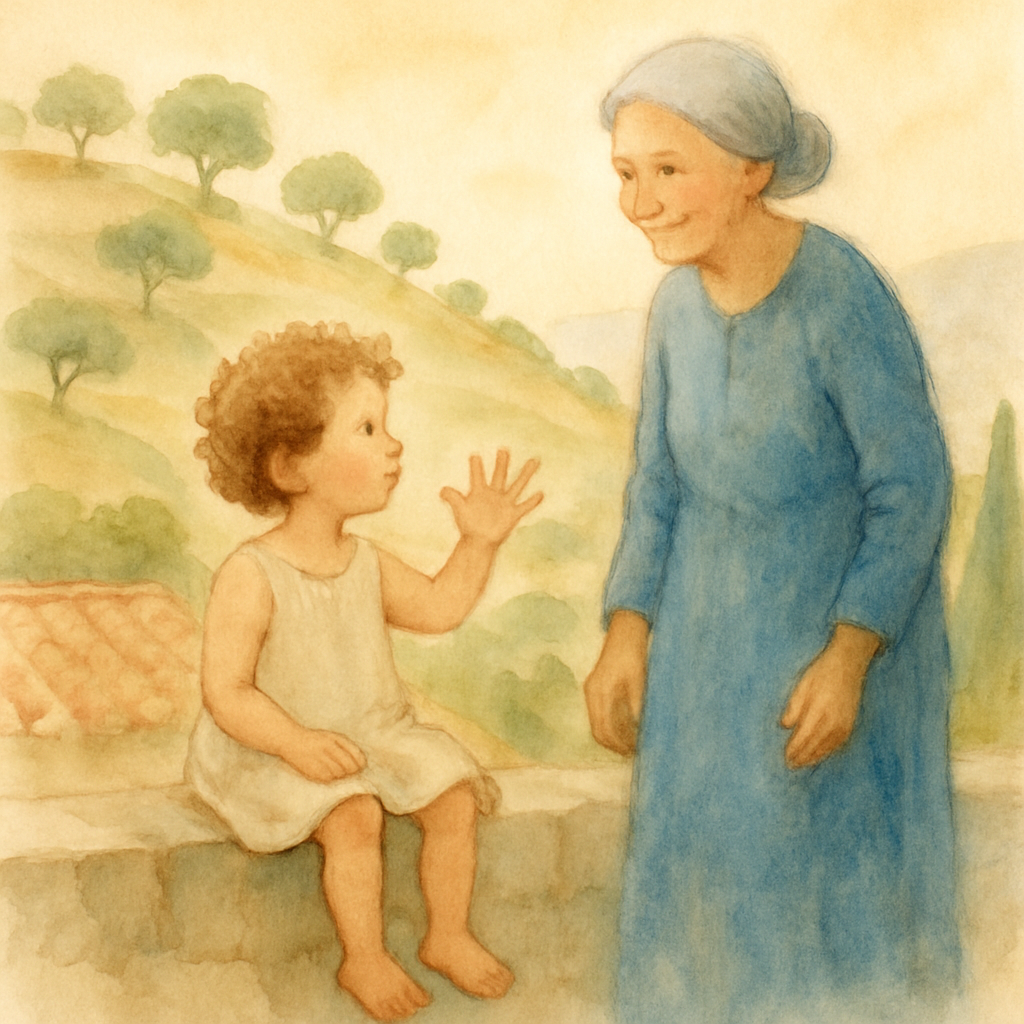
🎨 Illustration prompt
A soft watercolor illustration of a small barefoot child, around 4 years old, with curly hair and a simple cotton dress, sitting on a low stone wall in a Levantine mountain village. The child is holding up one hand, fingers spread, as if just learning to count. A grandmother in a long blue dress stands beside them, smiling gently. Behind them, terraced hills with olive trees, a clay-tiled rooftop, and a wide pale-gold morning sky. Watercolor style, soft edges, no harsh outlines. No text in the image. Aspect ratio: square or 4:5 portrait.
Page 1
١
شَمْس
1 — Shams (Sun)
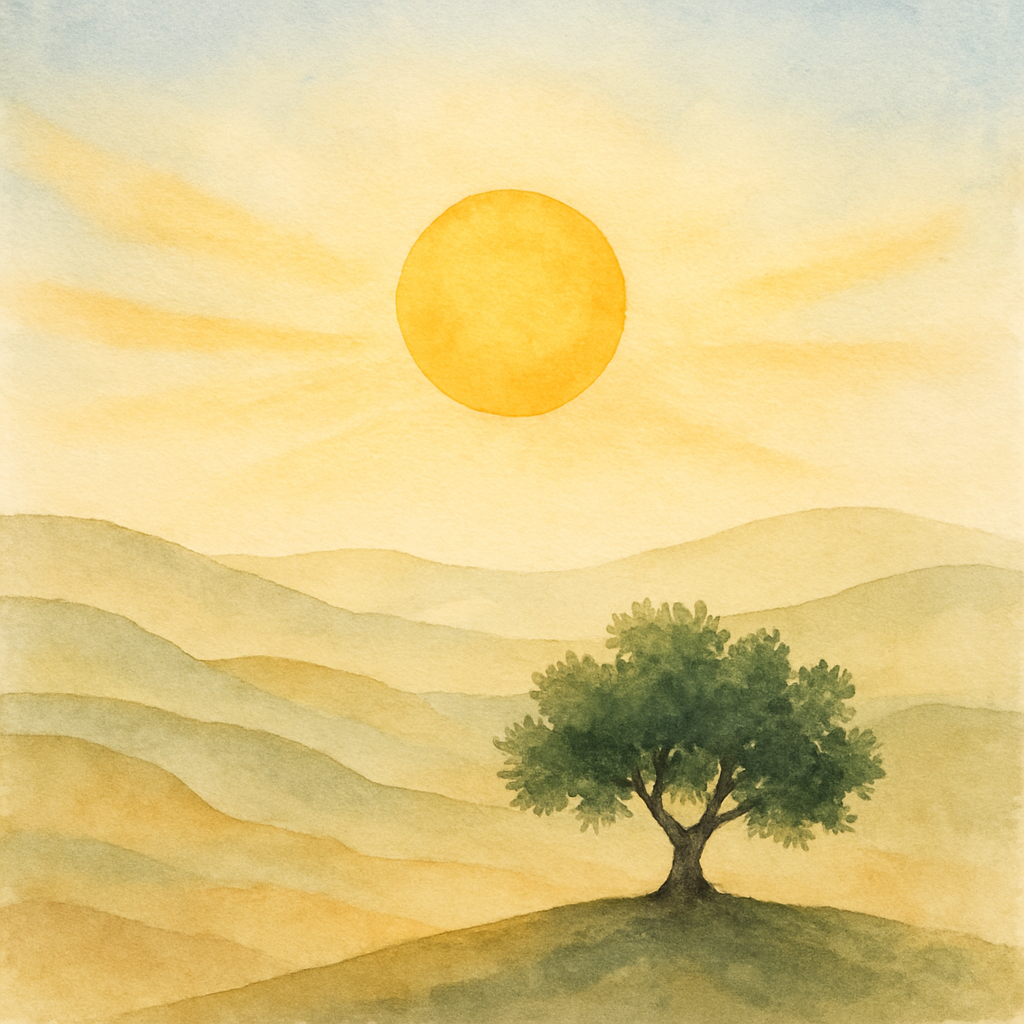
🎨 Illustration prompt
One round, warm sun rising over Levantine hills. Soft yellow and pale orange rays spread gently across a pale blue sky. Below, the silhouette of one olive tree on a low hill. The sun is centered and clear — the single subject of the page. Watercolor style. No text in the image.
Page 2
٢
صَنْدَلَان
2 — Sandalan (Two Sandals)
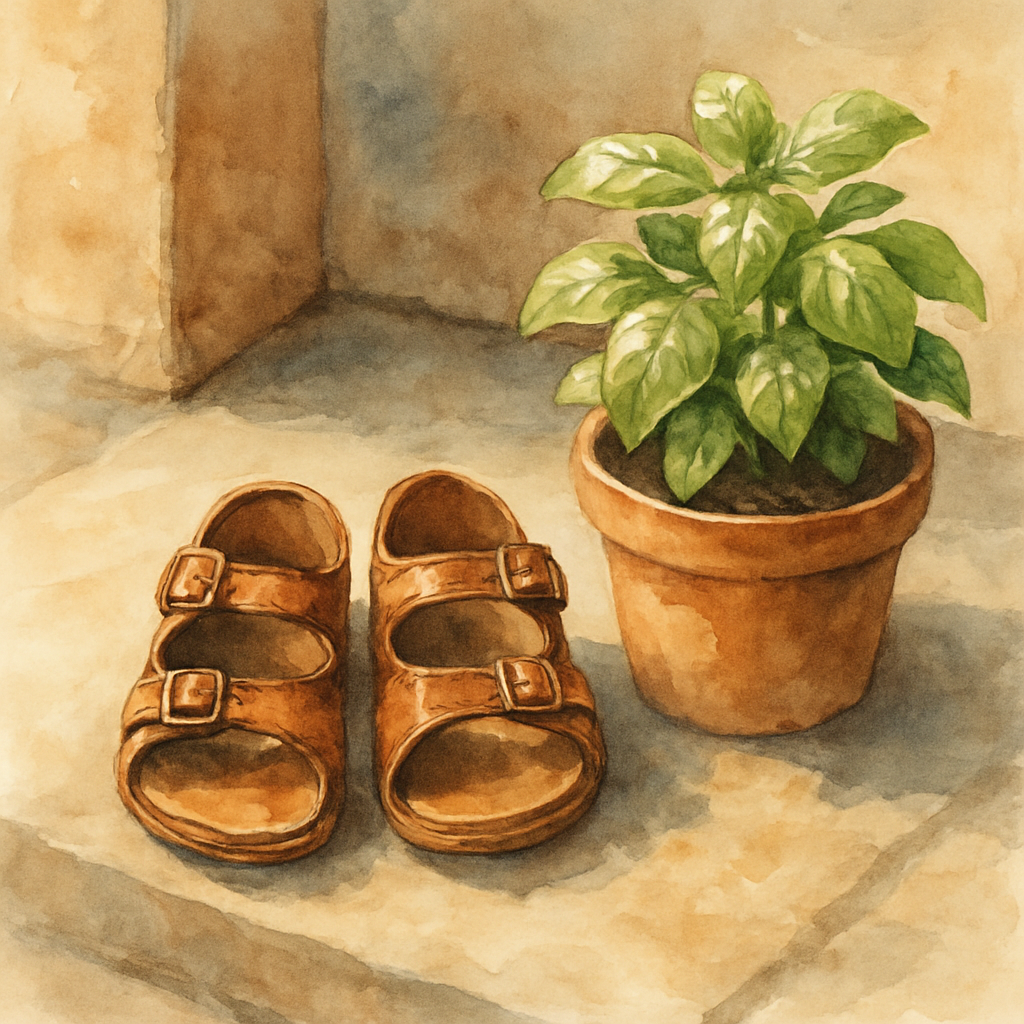
🎨 Illustration prompt
Two small leather sandals placed neatly side by side on a stone doorstep. The leather is worn and soft, well-loved. Beside them, a small pot of basil. Morning light falls across the stone. Watercolor style, warm browns and soft greens. No text in the image.
Page 3
٣
زَيْتُونَات
3 — Zaytunat (Three Olives)
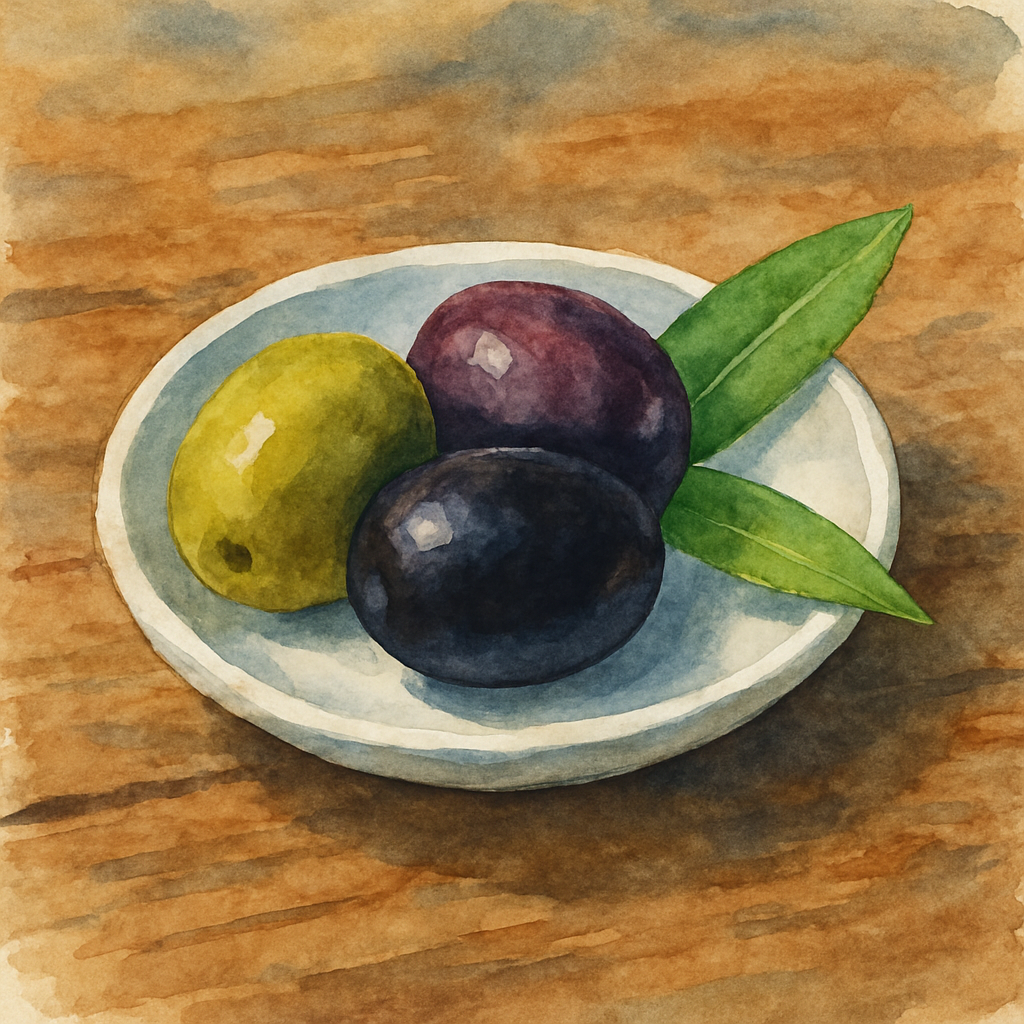
🎨 Illustration prompt
Three plump olives — one green, one purple, one black — resting on a small white ceramic dish. A single olive leaf beside them. The wooden table beneath is bare and old. Watercolor style, rich earthy tones. No text in the image.
Page 4
٤
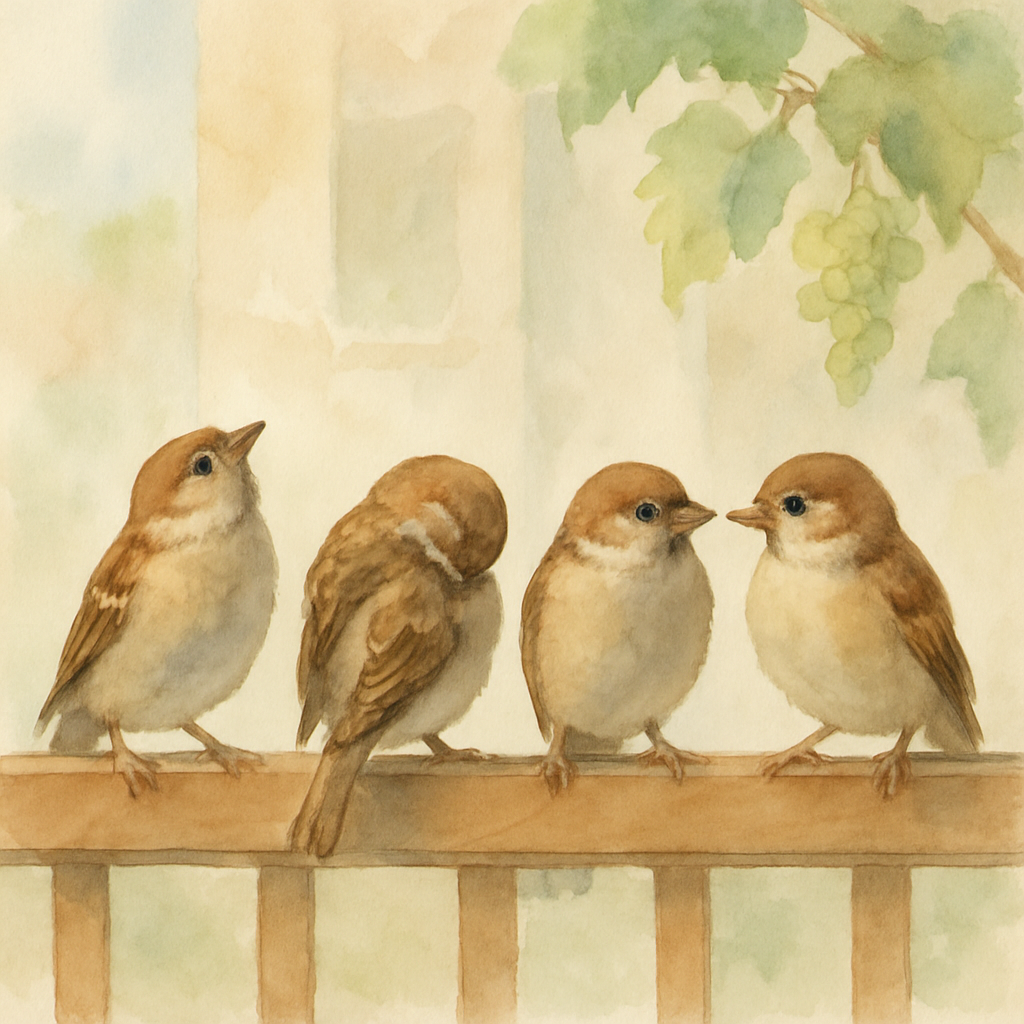
طُيُور
4 — Tuyur (Four Birds)
🎨 Illustration prompt
Four small brown sparrows perched in a row on a wooden balcony railing. Each bird is slightly different — one looking up, one preening, two facing each other. Behind them, a soft blur of a pale stone wall with a grapevine. Watercolor style, gentle. No text in the image.
Page 5
٥
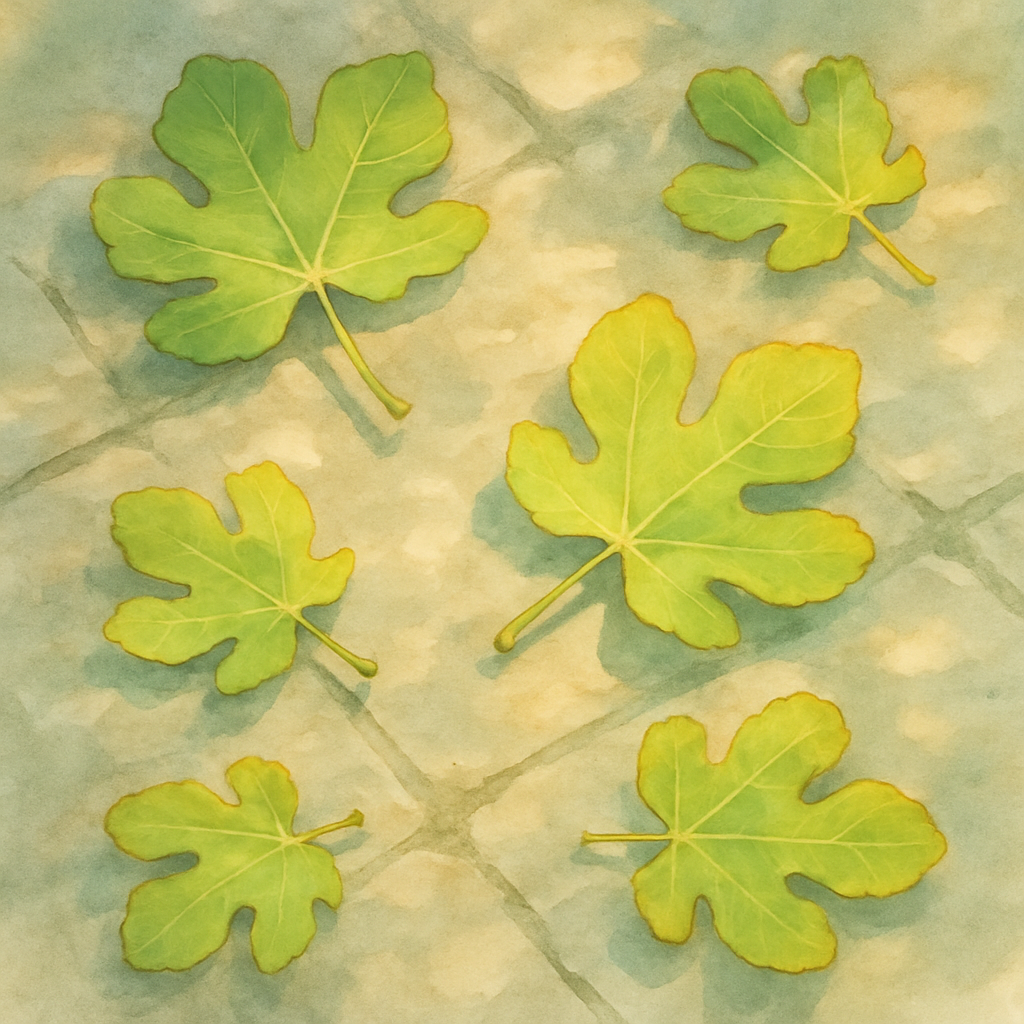
وَرَقَات
5 — Waraqat (Five Leaves)
🎨 Illustration prompt
Five fig leaves scattered on a stone path — each a slightly different shade of green, some with a yellow edge as if late summer. The stones are warm grey, dappled with sunlight through a tree above. Watercolor style, soft greens and golds. No text in the image.
Page 6
٦
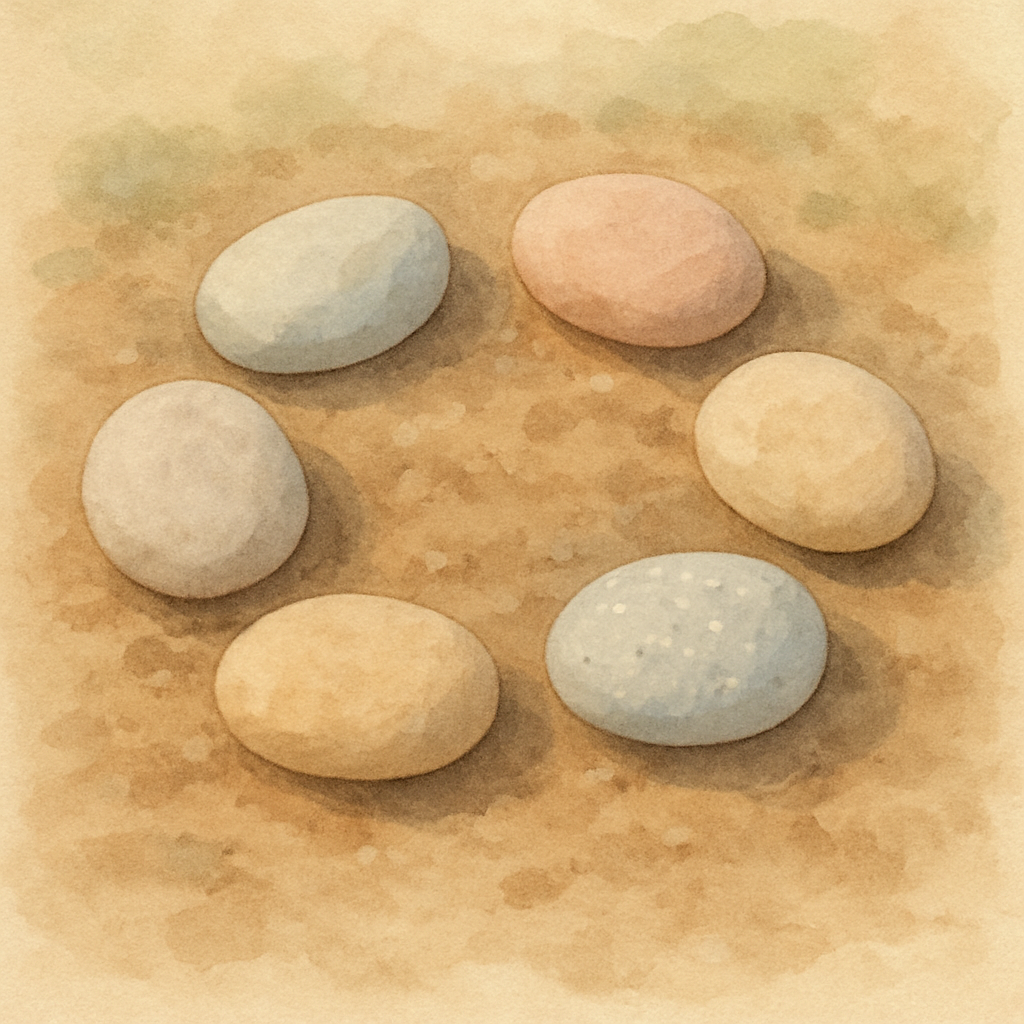
حَصَيَات
6 — Hasayat (Six Pebbles)
🎨 Illustration prompt
Six small smooth pebbles arranged in a loose circle on packed earth. The pebbles are different soft colors — pale grey, sandy beige, dusty pink, one with tiny white speckles. A child's game, paused. Watercolor style, gentle and tactile. No text in the image.
Page 7
٧
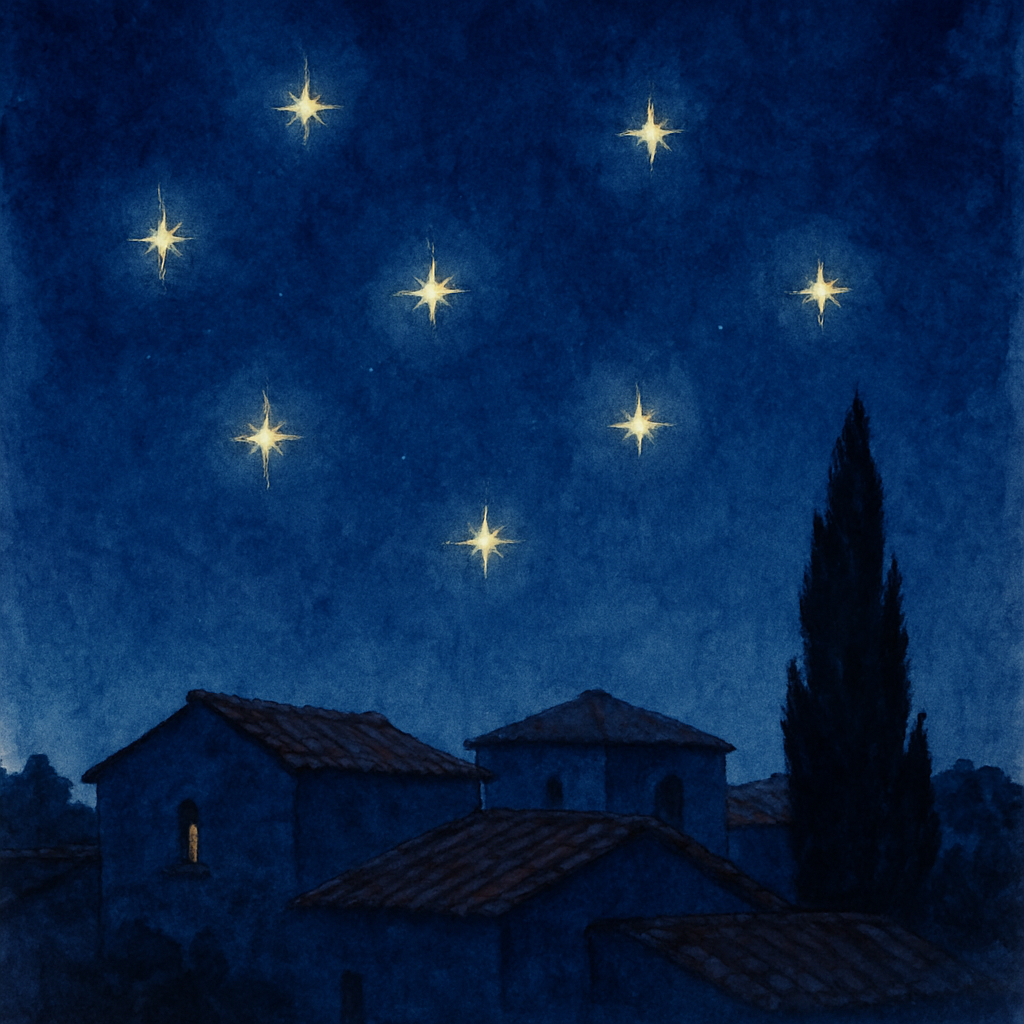
نُجُوم
7 — Nujum (Seven Stars)
🎨 Illustration prompt
Seven small bright stars scattered across a deep indigo evening sky. Below, the soft silhouette of a Levantine village rooftop with a single cypress tree. The stars feel close, almost touchable. Watercolor style, deep blues with shining points of white-gold. No text in the image.
Page 8
٨
سَنَابِل
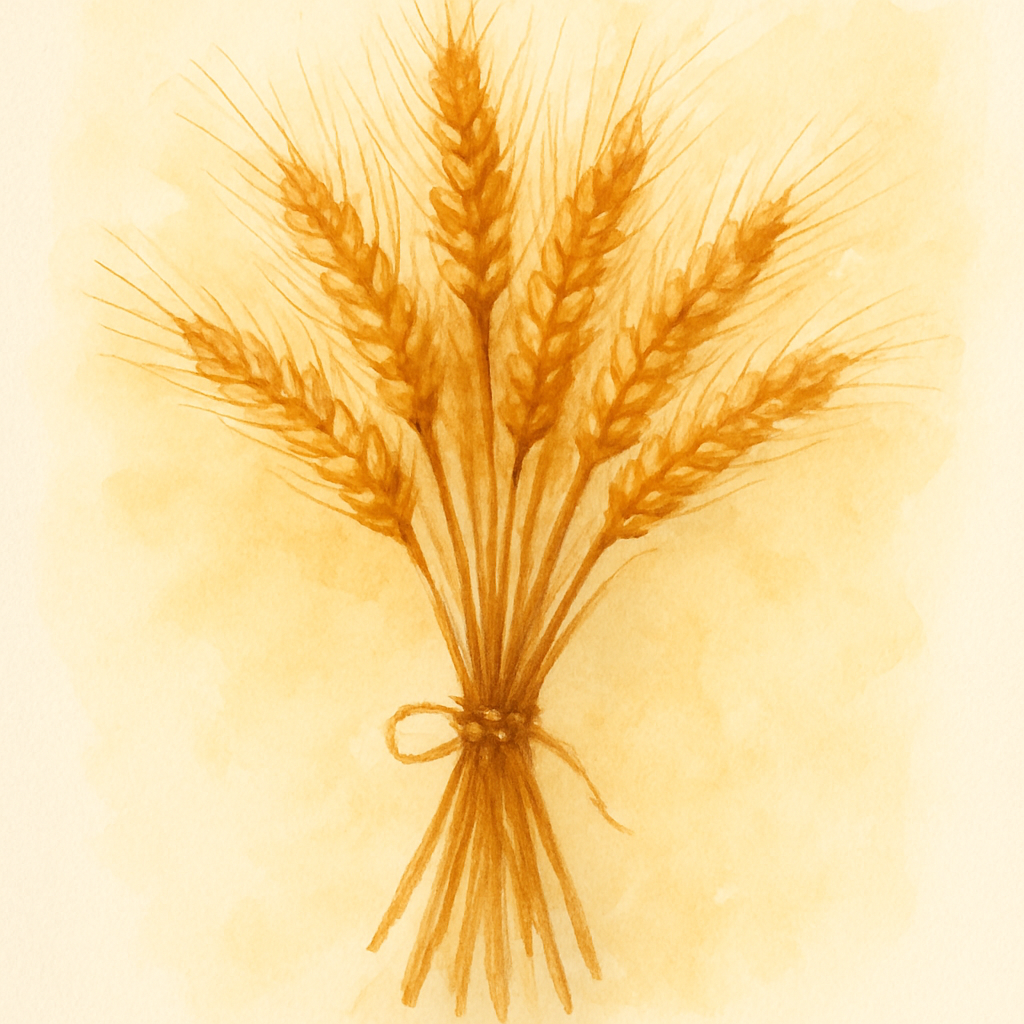
8 — Sanabil (Eight Wheat Stalks)
🎨 Illustration prompt
Eight golden wheat stalks gathered loosely in a small bundle, tied with a thin piece of natural twine. The grains are full and ripe, the long whiskers catching late afternoon light. Background is a soft warm cream. Watercolor style, honey and gold tones. No text in the image.
Page 9
٩
أَرْغِفَة
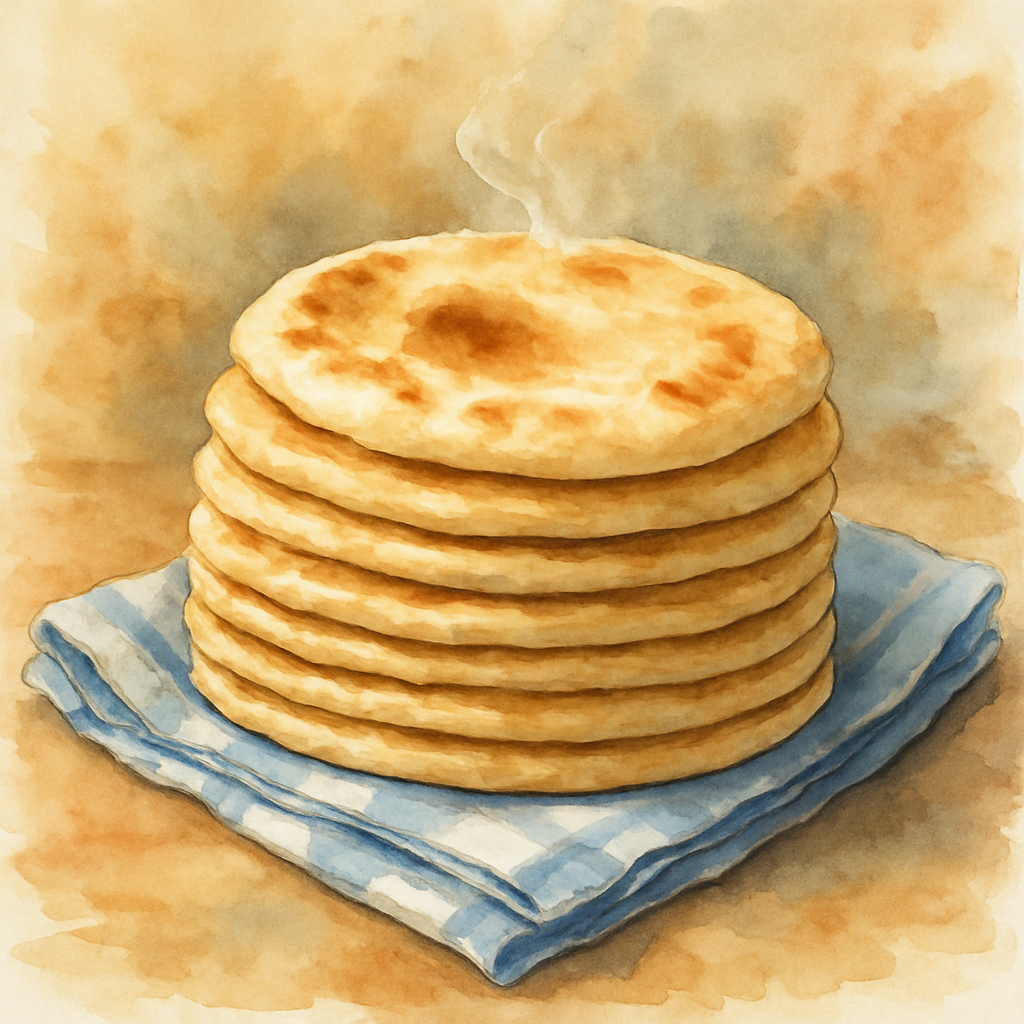
9 — Arghifa (Nine Loaves of Khubz)
🎨 Illustration prompt
Nine round flatbreads (khubz) stacked gently on a folded blue-and-white cotton cloth. The top loaf is slightly off-center, golden-brown and warm. A faint wisp of steam rises from the stack. Watercolor style, warm and homey. No text in the image.
Page 10
١٠
أَصَابِع
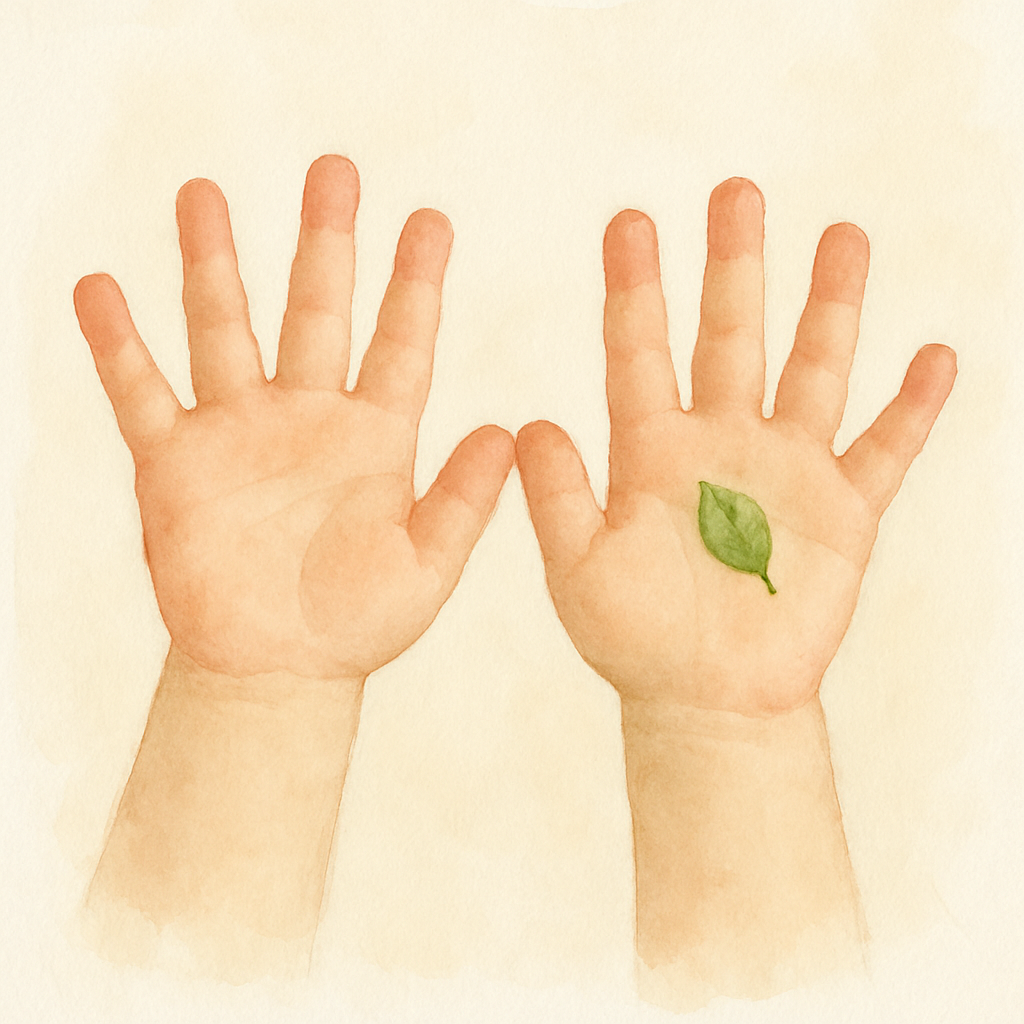
10 — Asabi' (Ten Fingers)
🎨 Illustration prompt
Two small child's hands held up side by side, palms facing the viewer, all ten fingers spread wide. The hands are soft and warm, against a pale cream background. A tiny green leaf rests in one palm, as if just picked. Watercolor style, gentle and intimate. No text in the image.
Closing Page
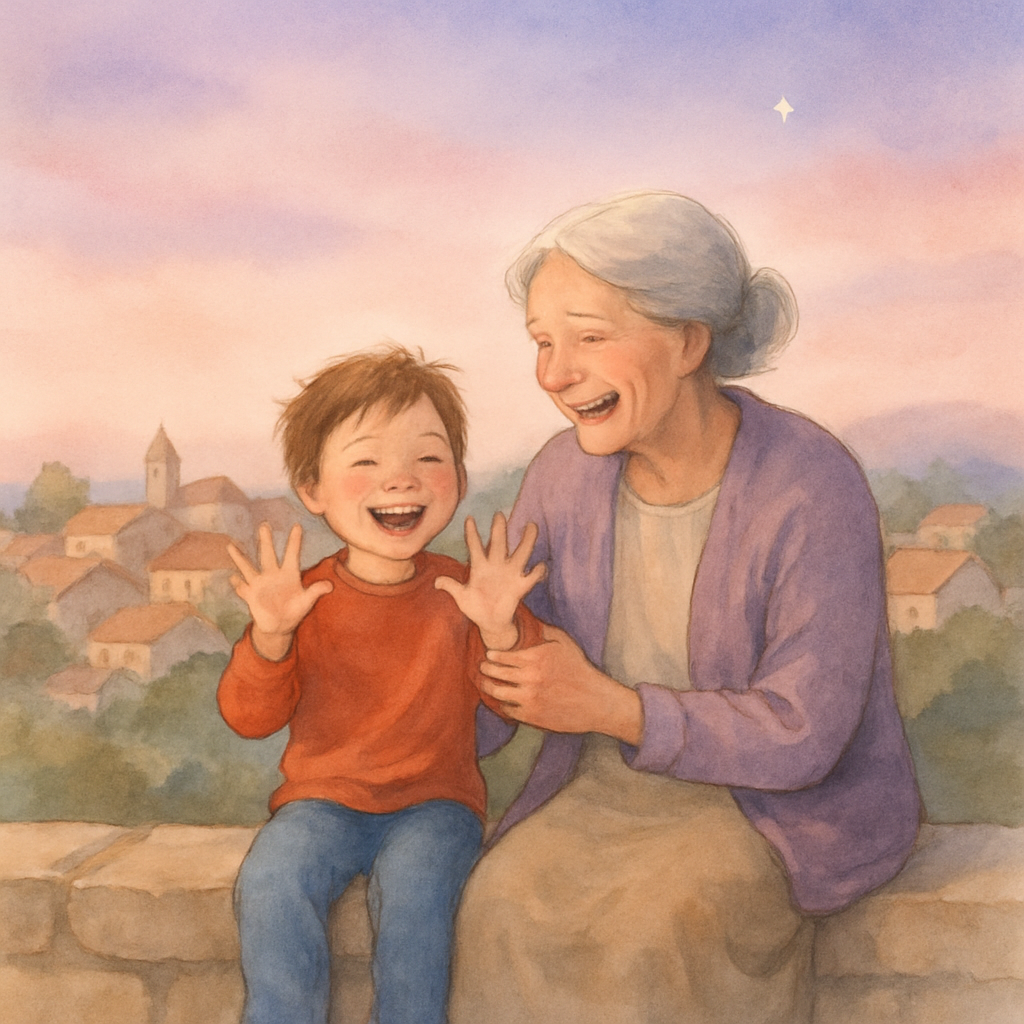
عَدَدْنَا مَعًا.
مِنْ وَاحِد إِلَى عَشَرَة.
We counted together.
From one to ten.
🎨 Illustration prompt
The same child and grandmother from the cover, now sitting together on the stone wall at the end of the day. The child is holding up all ten fingers proudly, laughing. The grandmother is laughing too, one hand resting on the child's small shoulder. Behind them, the village in soft evening light — pale pinks and lavenders, a first star in the sky. Watercolor, gentle, the emotional anchor of the book. No text in the image.
كَلِمَاتٌ جَدِيدَة · New Words
Each number has its own word and its own picture. For pre-readers, the picture IS the meaning. Adults: point to the number, say the word slowly, let the child echo and count along on their fingers.
| Number | How to say it | Word | Meaning |
|---|---|---|---|
١ |
wāhid | وَاحِد |
one |
٢ |
ithnān | اِثْنَان |
two |
٣ |
thalātha | ثَلَاثَة |
three |
٤ |
arba'a | أَرْبَعَة |
four |
٥ |
khamsa | خَمْسَة |
five |
٦ |
sitta | سِتَّة |
six |
٧ |
sab'a | سَبْعَة |
seven |
٨ |
thamāniya | ثَمَانِيَة |
eight |
٩ |
tis'a | تِسْعَة |
nine |
١٠ |
'ashara | عَشَرَة |
ten |
The things we counted:
| Arabic | How to say it | English |
|---|---|---|
شَمْس |
shams | sun |
صَنْدَل |
sandal | sandal |
زَيْتُونَة |
zaytūna | olive |
طَائِر |
tā'ir | bird |
وَرَقَة |
waraqa | leaf |
حَصَاة |
hasāh | pebble |
نَجْمَة |
najma | star |
سُنْبُلَة |
sunbula | wheat stalk |
رَغِيف |
raghīf | loaf of bread |
إِصْبَع |
isba' | finger |
🗣️ Talk about it (for parent or teacher)
These aren't quiz questions. Ask one, point at the picture, and listen.
- Which page had the most things to count? Can we count them together, slowly?
- What in your room could we count? Books? Spoons? Shoes by the door?
- Let's say one number five times together. Which one do you like?
✏️ Try it (a tiny activity, 2 minutes)
Pick one:
- Count fingers. Hold up your child's hand. Touch each finger and say: wāhid, ithnān, thalātha… all the way to 'ashara.
- Go on a tiny counting walk. Find three of something. Five of something. Ten of something. Say the Arabic number out loud.
- Stack pebbles or stones. Outside or in. Count each one as it goes on the pile: wāhid, ithnān, thalātha…
A note for grown-ups reading along
This is a pre-reader book — designed for ages 3 to 5, before children can decode numbers or letters on their own. You are the reader. Your child is the counter and the looker.
How to read it:
- Point to the big Arabic number at the top of the page.
- Say it slowly: "Wāhid. One."
- Point to the picture. Count out loud, touching each object: "Wāhid."
- On page 2, count both sandals: "Wāhid, ithnān."
- By page 10, you'll be counting all the way: "Wāhid, ithnān, thalātha, arba'a, khamsa, sitta, sab'a, thamāniya, tis'a, 'ashara."
Repetition is the curriculum. Read this book over and over. Within a week or two, your child will start counting along with you, then before you. That is the goal — not memorization, not testing, but the joy of numbers becoming friends.
A note on Arabic numerals: The numbers you see (١ ٢ ٣) are the original Arabic numerals — sometimes called "Eastern Arabic numerals" — still used across the Levant today. Your child will see both these and the Western forms (1, 2, 3) growing up. Both are theirs.
— Hayya Beena Naqraa (هَيَّا بِنَا نَقْرَأ)